
Japanese Wrestling – Puroresu Style and Tradition Overview
Japanese wrestling, known as puroresu, blends athleticism with storytelling and cultural ritual. It emphasizes precision strikes, endurance, and a resilient fighting spirit that honors tradition while inviting new audiences. Fans value a sense of realism in the ring, as athletes sell pain and persevere through adversity. Prominent promotions such as NJPW and AJPW, along with regional promotions and evolving women’s divisions, shaped a diverse landscape of styles. This overview highlights how puroresu developed, what distinguishes its approach to matches, and how its legacy continues to influence global wrestling culture.
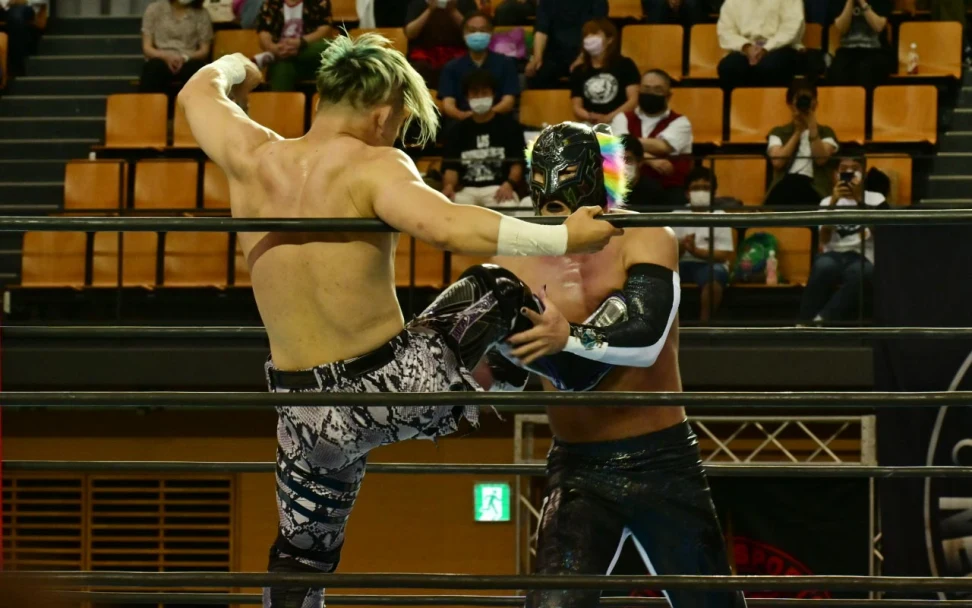
Origins and history of puroresu
Pro wrestling in Japan emerged in the postwar era, when civic pride and national identity mingled with imported American ring entertainment. Rikidōzan became a household name in the 1950s by presenting matches as dramatic contests that conveyed strength, discipline, and character, turning the arena into a stage for national storytelling. His school produced a generation of athletes who valued tough conditioning, realistic strikes, and a firm sense of duty to the audience. Through the 1960s and 1970s, promotions like Japan Wrestling Association and later All Japan Pro Wrestling and New Japan Pro-Wrestling built distinct identities: AJPW favored methodical, big-move drama and strong chemistry between veterans, while NJPW emphasized hard-hitting exchanges and rapid tempo. The term puroresu itself signals a Japanese approach to professional wrestling that treats sport and theatre as intertwined disciplines.
Another layer of development came from the influence of foreign talent and cross-cultural exchange. The system of regional promotions, dojo-based training, and tour circuits created a density of styles that could be studied, copied, or subverted by fighters seeking to make their mark. The wrestling media, from magazines to television broadcasts, reinforced the narratives around promotions and stars, turning athletes into cultural icons. Major milestones included the rise of charismatic promoters who fostered long-running rivalries, the formation of stable factions, and the periodic emergence of catchier finishing moves that audiences would chant and recall for years.
The 1980s and 1990s saw a global expansion of Japanese wrestling influence, as international fans discovered the sport’s blend of athleticism and drama, and as Japanese wrestlers tested themselves on bigger stages around the world. The legacy remains evident in how puroresu blends technical proficiency, storytelling, and a heightened sense of ritual that other wrestling traditions have attempted to imitate but rarely match. Training pathways in puroresu began in dojo houses where older stars mentored recruits through grueling sessions, replicating practical combat drills, chain sequences, and the ethics of respect within the ring.
Aspiring wrestlers learned to endure early hardship while studying the histories of their predecessors, a pedagogy that reinforced continuity between generations. The sport’s governance by promotions shaped the calendar, touring patterns, and championship structures that provided continuity and excitement throughout the year. Lucha libre influence sometimes crossed paths with puroresu in exchange programs and cross-promotional events, producing hybrid spots that thrilled fans while testing the discipline’s core principles of safety and storytelling.
The tradition’s staying power rests on a balance: the appearance of spontaneity and risk, tempered by preparation, athleticism, and reverence for the craft. Today, the tradition continues through formal training programs, international exchange, and the persistent desire of fans to witness authentic competition. Wrestlers study a catalog of finishing moves and signatures, while promoters emphasize event production, storytelling arcs, and eras that fans can celebrate together. The global reach of puroresu has expanded via streaming platforms, cross-border seminars, and collaborations that bring Japanese sensibilities to audiences who crave disciplined athletic performance. Even as the sport evolves with new generation stars and advances in fitness science, the core values—respect, resilience, and dramatic tension—remain the heart of puroresu’s enduring appeal, much like how consistency and engagement define experiences across different digital platforms such as NV Casino.
Core philosophy and ring psychology
The core philosophy of puroresu centers on storytelling, the fighter’s spirit, and the unpredictable rhythm of the bout. Matches unfold like dramas, balancing realism with theatricality to create memorable arcs. The following aspects illustrate the range of strategies and values that guide practice, performance, and fan engagement.
- Mastery of pacing and crowd psychology, guiding the match through measured holds, near-falls, and momentum shifts that build tension before each decisive sequence.
- Subtle counters, reversals, and transitions showcase technical storytelling, turning wrestling into a chess game where anticipation and execution determine who gains control.
- Character and resilience define the performers, combining charisma with endurance to keep audiences connected as the struggle escalates toward a climactic finish.
- Thematic spots anchor the match, using high-risk moments to signal stakes while preserving the narrative arc that keeps fans invested beyond the first bell.
These elements together shape how wrestlers connect with crowds, build legends, and sustain interest across generations.
Signature match types and in-ring styles
Signature match types and in-ring styles in puroresu reflect the genre’s breadth and evolution across regions and promotions. The table below captures common formats and their emphasis on pacing, risk, and spectacle, helping readers compare approaches from different eras and organizations.
| Match Type | Typical Length (min) | Rules Highlights | Signature Elements |
|---|---|---|---|
| Singles match | 15–30 | Standard pinfall or submission; falls determine winner; disqualifications rare unless stipulated | Stiff strikes, selling, and finishing moves with dramatic impact |
| Tag team match | 20–40 | Tag-ins allowed; teams coordinate, legal tags, double-team maneuvers | Double-team finishers and synchronized attacks |
| Battle Royal | 40–60 | Over-the-top eliminations or last-man-standing; roster-wide drama | Elimination sequences, strategic alliances, sudden bursts |
| Deathmatch / Hardcore | 15–40 | No disqualifications; weapons and hazardous spots; crowd energy drives pacing | Weapon usage, extreme spots, improvised hazards |
These formats remain central to puroresu’s ability to deliver varied experiences and to showcase a wrestler’s adaptability across contexts.
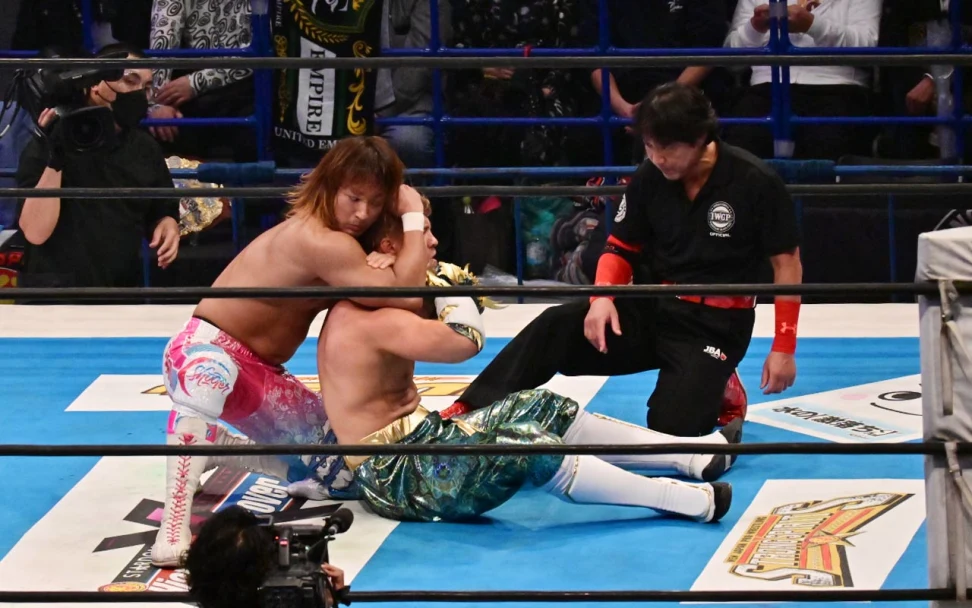
Key Features, Benefits, and Specifications
Understanding puroresu requires looking at its core features, from rigorous training and technical innovation to passionate fan engagement. This section highlights how the Puroresu wrestling style blends athleticism with dramatic storytelling, shaping Japanese wrestling history and shaping global wrestling culture. By detailing training regimens, signature moves, and fan rituals, we can appreciate both the technical and cultural dimensions of puroresu. The discussion also points to major promotions, iconic events, and the entertainment value that distinguishes Japanese pro wrestling within the broader sports entertainment landscape. Finally, these elements translate into practical insights for content strategy, audience targeting, and keywords that reflect Puroresu wrestling events and culture.
Training regimens and physical demands
To train for puroresu, performers follow a structured regimen that blends conditioning, technique, and ringcraft. The following practices are common across traditional dojo training and modern promotions, forming the backbone of Japanese wrestling training.
- Neck and core conditioning to resist takedowns, maintain posture, and protect the spine during high-impact exchanges that characterize puroresu’s physical style.
- Cardio-sustained anaerobic work builds stamina for long matches, with interval sprints and in-ring work to simulate crowd pressure and pacing.
- Technical drills emphasize balance, precise footwork, and timing to execute holds and counters with minimal wasted movement, maximizing efficiency in tight exchanges.
- Strength programs target grappling power and upper-body control, including weightlifting and plyometrics tailored to throwing, lifting, and absorbing opponent throws.
- Dietary planning and recovery routines support injury prevention, sleep optimization, and weight management across different divisions and match lengths.
- Mental preparation, opponent study, and film reviews round out the regimen to anticipate varied styles across promotions and bouts.
Together, these elements sustain performers through the demanding schedules of Puroresu events and reflect the culture of Japanese wrestling training.
Signature moves and technical innovations
Notable moves and innovations in puroresu have defined eras, traveled beyond Japan, and influenced global wrestling technique. The table below catalogs a few signature moves, their practitioners, and the impact they had on the evolution of Puroresu techniques.
| Move | Practitioner | Debut | Type | Innovation/Impact |
|---|---|---|---|---|
| Dragon Suplex | Tatsumi Fujinami | 1981 | Throw/Suplex | Popularized a high-bridge variant in puroresu, influencing later generations. |
| Kinshasa | Shinsuke Nakamura | 2000s | Striking/Finisher | Revived the running knee as a dramatic, crowd-pleasing finish in modern puroresu. |
| Rainmaker | Kazuchika Okada | 2012 | Lariat/Finisher | Defined a modern era finisher, emblematic of the Royal Road era in NJPW and beyond. |
| Enzuigiri | Keiji Muto / others | 1990s | Strike | Popularized a quick, versatile kick that blends martial arts influence with pro-wrestling rhythm. |
These feats illustrate how Japanese wrestling culture integrates athletic craft with storytelling, shaping the technical landscape of Puroresu events.
Fan culture and audience engagement
Fan culture in puroresu is a living extension of the in-ring drama, with chants, banners, and ritualized interactions that reinforce the emotional arc of each match. The audience contributes to the pace and mood through synchronized clapping, call-and-response chants, and banners bearing favorite wrestlers’ names. Chants often adapt to promotions, with specific refrains echoing across venues and resonating with crowds in arenas across Japan and abroad. Hand gestures, wave formations, and stage entrances become a shared language, creating a sense of community that transcends individual matchups. Autograph sessions, photo ops, and post-show meet-and-greets are common, offering fans a tangible connection to Japanese wrestling legends and rising stars alike. Promoters nurture this dynamic by scheduling fan events around major Puroresu events, integrating fan feedback into character development and storytelling decisions. The social dimension of puroresu extends to online communities where clips, promos, and crowd reactions fuel ongoing dialogue about promotions, rivalries, and technical innovations. In Japan, the relationship between wrestler and audience reflects cultural values of respect, perseverance, and entertainment, while also supporting the global reach of Puroresu wrestling entertainment.
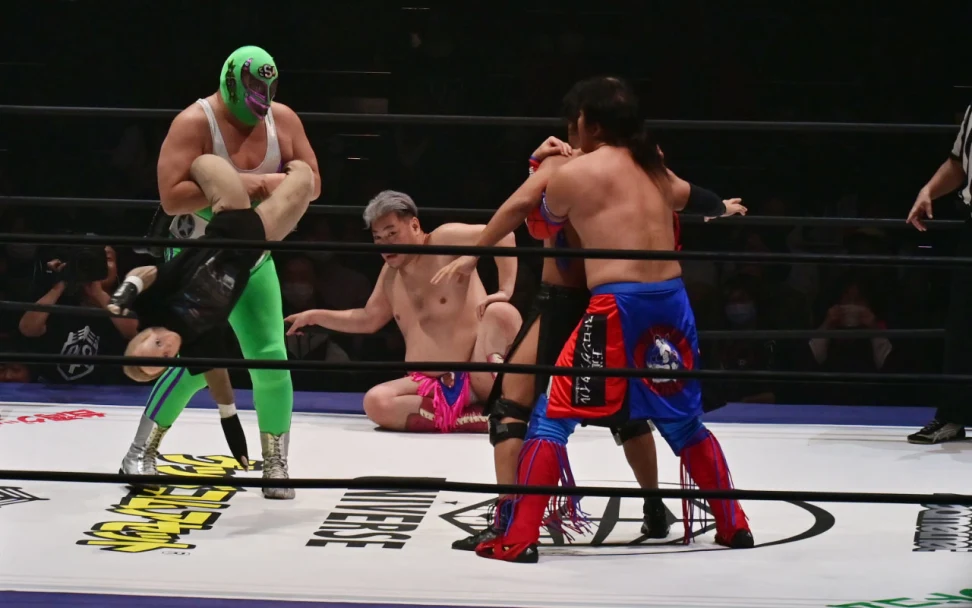
Comparisons with Other Martial Arts Entertainment
Japanese wrestling, known as puroresu, blends athletic competition with dramatic storytelling in a unique way that distinguishes it from other combat entertainment. The tradition places a premium on technical prowess, stamina, and a disciplined approach to training and ring craft. Viewers encounter a culture where promotions honor lineage, fans respect performers, and matches unfold with a cadence that rewards resilience and timing. Puroresu’s influence extends beyond the ring, shaping training norms, production styles, and cross-promotional collaborations worldwide. This section explores how puroresu compares with American pro wrestling and with MMA-style promotion, highlighting both contrasts and shared threads across global wrestling practices.
Differences from American professional wrestling (WWF/WWE)
One of the most conspicuous differences between puroresu and WWF/WWE is the booking philosophy and the emphasis on match-building. In puroresu, the long arc of a championship journey is often rooted in in-ring storytelling and a focus on the craft of execution, while WWE frequently foregrounds episodic entertainment, character-driven angles, and audience hooks designed for broad television appeal. The clash of styles reflects divergent goals: puroresu prioritizes sustained athletic credibility and audience immersion in the moment, whereas WWE builds spectacles that travel across markets with distinct hype cycles.
In WWE, promoters nurture extended storylines that span weeks or months, culminating in pay-per-view events designed as televised events with cinematic packaging. Puroresu, by contrast, often features matches that stand on their own or function within shorter arcs that emphasize consistency of performance, conditioning, and durable pacing. This difference manifests in how matches unfold, how comebacks are staged, and how near-falls are integrated into crowd response.
Physically, puroresu’s strong style foregrounds hard strikes, stiff kicks, and grounded grappling, and it trains practitioners to absorb contact with minimal display of avoidance or padding. The impact is a perception of realism that translates to international audiences seeking sport-like rigor. In WWE, while athletes perform and take punishment, the emphasis lies more on dramatized finish sequences, dramatic cutaways, and crowd-driven energy that sustains a wider television product.
Character work also diverges: WWE’s roster often embraces larger-than-life personas, extravagant entrances, and theatrical promos that build myths around champions. Puroresu talents, while capable of charisma, typically present more understated characters anchored in wrestling heritage, lineage, and technical identity. Yet it is important to note that both contexts encourage standout performances and have embraced hybrid styles as the global market evolves.
In-ring psychology and match pacing likewise diverge. WWE’s pacing frequently leans toward momentum shifts, signature spots, and dramatic near-falls calibrated for live and broadcast reactions. Puroresu tends to prize endurance, persistent pressure, and measured escalation that rewards technical nuance and timing. The result is two distinct storytelling currencies that still recognize the central premise: the audience believes in the struggle inside the ring.
Finally, presentation and production reflect brand needs: WWE operates with extensive pyro, larger-than-life entrances, and cinematic pre-match packages designed to capture a broad audience. Puroresu promotions emphasize live crowd energy, traditional ringside atmospheres, and a broadcasting approach that highlights the in-ring contest and the athletes performing the craft. Both models have evolved and influenced each other over time, underscoring a dynamic interplay between sport and spectacle.
Similarities to MMA and shoot-style promotions
Puroresu and MMA share a respect for credibility and technique, with promotions sometimes borrowing training inputs, conditioning standards, and a willingness to integrate shoot-like elements into staged matches. While pro wrestling remains scripted, real-fight rhythms—short explosive exchanges, controlled exchanges with clear beginnings and endings, and emphasis on countering—translate well to audiences seeking authentic combat drama. The cross-pollination has produced hybrid moments that feel like a blend of sport and storyline.
In addition, some promotions have hosted seminars, shared coaching networks, and featured guest athletes from MMA, creating an exchange of grappling, striking, and submission concepts. This collaboration broadens the spectator’s perspective and broadens a wrestlers’ toolkit, enabling more dynamic transitions from mat-based holds to ring-based sequences. The result is a more versatile stylistic palette that resonates across fans who enjoy both disciplines.
Critical to this synthesis is the awareness of safety and risk management. Shoots often demand precise technique and controlled impact, encouraging training cultures that emphasize conditioning, protecting joints, and rehearsing sequences extensively before performing in front of crowds. When applied to puroresu, these practices can increase the perceived realism without compromising the performers’ long-term health.
Emphasis on realistic striking and grappling
The emphasis on realistic striking and grappling in this area means athletes train to deliver authentic-feeling exchanges with careful control and proper distancing. It underlines the difference between choreographed theatrics and credible performance, while still honoring the scripted context of professional wrestling.
Incorporation of submission and ground techniques
Submissions and ground work are highlighted to mirror MMA’s technical repertoire, incorporating locks, chokes, and transitions that look credible but are executed with safety in mind for live audiences and broadcast constraints.
Cross-pollination with MMA training methods
Cross-training with MMA athletes and instructors enriches the wrestlers’ toolbox, introducing new grips, escapes, and conditioning drills that translate into more fluid in-ring sequences while preserving kayfabe boundaries.
Factoring shoot-style realism into matches
Matches may incorporate shoot-style instincts—timing, risk assessment, and a sense of real competition—without collapsing the narrative framework that defines professional wrestling storytelling.
Training methodologies and safety culture
Training camps often blend wrestling drills with grappling, striking, and cardio regimes, emphasizing injury prevention, proper technique, and gradual skill acquisition to sustain performers across long careers.
Influence on global wrestling practices
Puroresu’s influence on global wrestling practices extends from technique and training habits to promotion formats and talent pipelines. Icons from Japanese promotions have become fixtures on international stages, inspiring stylists around the world to adapt strong-style sensibilities into their own languages of storytelling. Programs such as NJPW’s balancing of rigorous tournament structures with high-impact in-ring action have informed diverse promotions seeking credible, athletic products. The global circuit also benefits from Japanese wrestlers who bring refined conditioning, precise timing, and a reputation for discipline that elevates the sport’s perceived legitimacy.
Cross-cultural exchanges—guest appearances, co-promoted tours, and exchange programs—have accelerated the diffusion of puroresu’s core strengths: technical proficiency, resilience under pressure, and a culture that values training and craft. This approach influenced modern women’s divisions, junior heavyweight lines, and tag teams worldwide, encouraging a broader definition of what constitutes elite professional wrestling. Although promotions operate under different business models, the shared emphasis on in-ring credibility and audience engagement creates a common ground where global audiences can recognize the hallmark of puroresu in diverse contexts.
Importantly, puroresu’s international growth has been gradual and relation-based, rather than purely market-driven. It relies on sustained partnerships, talent exchanges, and the cultivation of coaches and trainers who propagate jack-of-all-trades skill sets. The outcome is a lasting legacy where activations, clinics, and dream match lineups invite fans from many nations to experience the Japanese approach to wrestling as a credible sport and a compelling entertainment form.
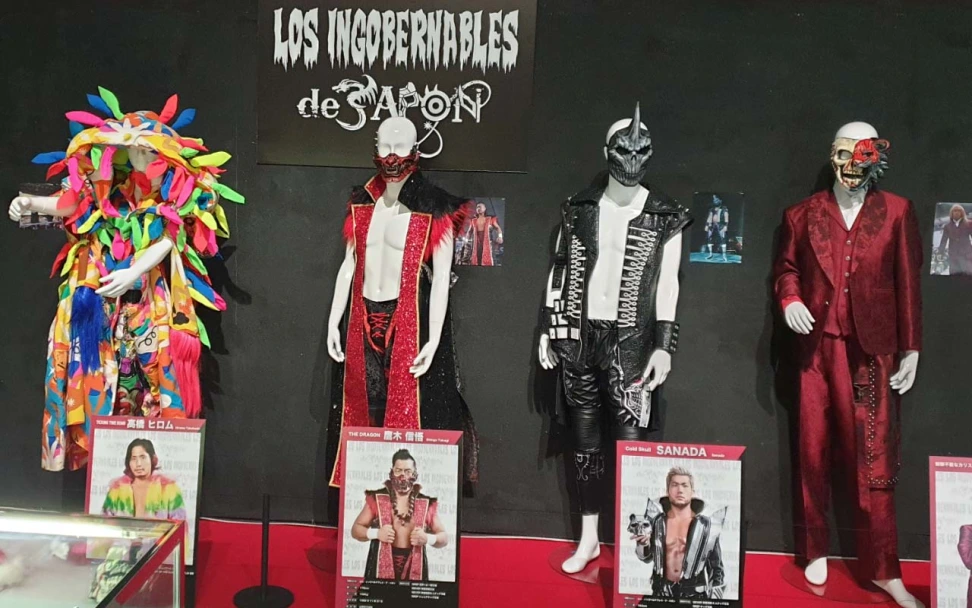
Pricing, Packages, and Limited Offers
Pricing, packages, and limited offers shape how fans experience puroresu and balance accessibility with premium live action. From affordable general admission to premium ringside seats, the pricing landscape reflects both traditional value and modern fan expectations in Japanese wrestling. Fans around the world access events through streaming bundles and regional packages that fit different budgets while preserving the sport’s hard-hitting style and cultural significance. This section examines ticket tiers, streaming options, and merchandise windows, showing how Puroresu promotions manage demand, loyalty, and collector appeal. Understanding these offers helps readers navigate the evolving ecosystem of Japanese wrestling culture and appreciate its influence on global wrestling.
Ticket pricing and event tiers
Ticket pricing in puroresu follows a tiered system designed to offer both value for casual fans and access for hardcore supporters. Live event pricing in Japan and internationally aims to reflect the scale of the promotion, the venue, and the anticipated demand for a given show. In many arenas, the lowest price tier secures general admission standing or upper balcony seating, while premium tiers offer closer proximity to the ring and enhanced viewing angles. Promotions within Japanese wrestling culture emphasize consistency in price bands across events, helping fans plan their outings and stacking loyalty with occasional promotions. For international followers, translations of pricing and clear currency guidance help accessibility without diluting the experience. Dynamic pricing and presale windows are common, allowing fans to act quickly when a popular show goes on sale. Loyalty programs and fan clubs are often rewarded with early access and bundled offers that improve perceived value. Some venues also create family packs or student discounts to broaden accessibility while preserving the event’s premium feel.
Streaming services, subscriptions, and packages
Streaming has transformed how fans access puroresu beyond live arenas, expanding reach to international audiences and casual viewers who want to sample the culture of Japanese wrestling. Modern platforms offer on-demand matches, full event replays, and expert commentary, allowing fans to study pacing, storytelling, and the signature moves that define Puroresu wrestling techniques. Subscriptions also support archival exploration, so newcomers can learn how matches evolved across decades and why certain rivalries shaped the promotion’s legacy. The accessibility of streams encourages education about the sport’s evolution, from early strong style to contemporary hybrid approaches. Language options and subtitles help non-Japanese speakers engage with classic and modern cards without barriers. The spine of streaming remains NJPW World, which hosts live shows, extensive archives, and exclusive interviews with athletes, trainers, and promoters. For international fans, the service pairs with regional platforms to deliver localized pricing and language support while preserving the authentic presentation of the events. DAZN and FITE TV extend reach to broader audiences, often featuring cross promotions and bundled deals that couple access with digital extras and merchandise discounts. Fans can choose from monthly subscriptions, annual passes, or event-specific passes, enabling flexible commitment levels. In addition, some packages include backstage footage, post-match analysis, and access to fan forums that deepen engagement with the sport’s culture. Localization is a key focus, with subtitles, English commentary, and captioned highlights that translate the cultural nuances of Japanese wrestling culture for global audiences, while still preserving the authenticity of the performances and training that shape Puroresu techniques. The global reach of puroresu is evident in streaming lineups that feature marquee cards, cross-promotional collaborations, and archival clips that demonstrate the global influence of Japanese pro wrestling.
Merchandise, limited editions, and collector’s items
Merchandise in puroresu covers a broad range of items designed to capture memories of a match, tour, or title reign. From everyday wear like tees, hoodies, and caps to home decor such as posters and framed photos, fans build a personal connection with their favorite promotions. Apparel often features limited-run colorways, seasonal designs, and event-specific slogans that celebrate milestones in Japanese wrestling culture. Promotional calendars, posters, and program booklets provide collectible reference points for fans who track the history of puroresu promotions and legendary matches. Limited editions and collector’s items include signed posters, autographed photos, and sometimes ring-worn gear or replica championship belts. These items are usually issued in small quantities and carry serial numbers and authenticity certificates. Collector value grows with rarity, provenance, and the significance of the event or wrestler associated with the item. High-demand releases tied to iconic rivalries or legendary tours can appreciate over time, especially when authenticated by the promotion or a trusted retailer. Pricing strategies balance accessibility with exclusivity, using pre-orders, member drops, and loyalty rewards to manage supply. Buyers should verify authenticity through official channels, compare condition and edition size, and store items properly to preserve condition. To maximize enjoyment, fans often combine merchandise with live event tickets or streaming bundles, creating a complete Puroresu experience that strengthens brand loyalty and supports the athletes, trainers, and promotions that define Japanese wrestling culture.